Why a paver driveway or lanai in Naples needs a seal at all
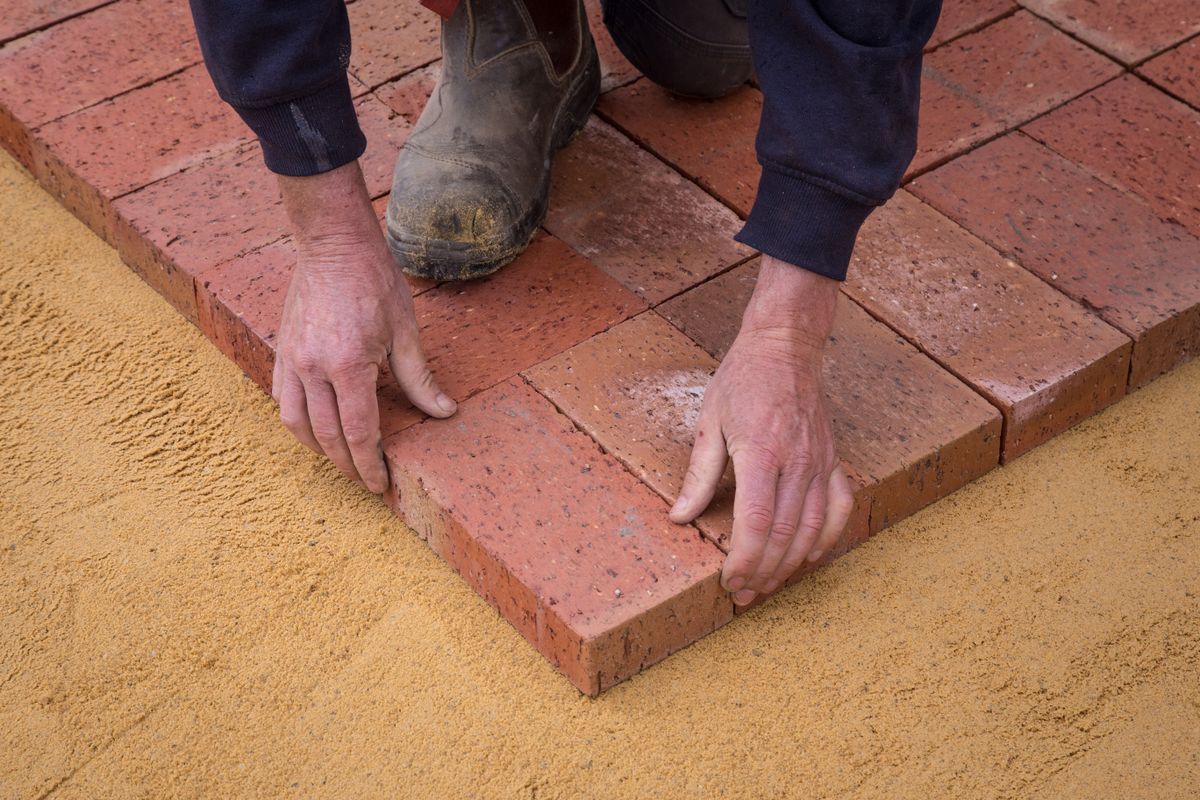
Pavers are a different animal from the poured concrete that covers most of the country. They are individual units laid over a sand bed, with sand swept into the joints between them, and almost everything that goes wrong with a Southwest Florida paver surface traces back to that construction. The pavers themselves are durable - concrete pavers shrug off cars and the constant sun, and the travertine that is so common on Naples pool decks stays cool underfoot in a way bare concrete never will. What fails first, here, is the space between the pavers and the barrier on top of them. In a climate that runs afternoon storms from June through September and sits two miles from saltwater year-round, the sand in those joints wants to wash out, and the surface wants to pick up weeds, ants, algae, and a fine grey film that no amount of scrubbing fully clears. Sealing is the step that locks all of that down - it binds the joint sand in place and puts a protective barrier on the face so the weathering Southwest Florida delivers does its damage to a coating that can be renewed instead of to the pavers themselves.
Efflorescence, and why it decides whether a fresh seal even sticks
Before any sealer goes down, a Naples paver job has to deal with the white, chalky haze that shows up on new and newly-wet pavers. That bloom is efflorescence - mineral salts in the paver and the sand bed, carried to the surface by moisture, then left behind as the water evaporates. Southwest Florida is a perfect factory for it: the sandy soil holds water, irrigation and daily rain keep the base damp, and the heat pulls that moisture up through the pavers where the salts crystallize on the face. Efflorescence matters to sealing for one reason - a sealer applied over that chalky deposit does not bond to the paver, it bonds to a loose powder that will wash away and take the coating with it. That is why an honest crew lets newly-laid pavers breathe before sealing, and why the cleaning before a re-seal has to lift the bloom rather than just rinsing the surface. It is also why the timing matters: seal too soon over active efflorescence and the deposit continues to push through from underneath, and the coating fails from within long before it should.
Water-based versus solvent, and what the finish actually changes
Paver sealers come in two broad families, and the choice is not cosmetic. Water-based acrylics are low-odor and easy to work with, cure reasonably fast, and are the sensible default for most residential work around a finished home. Solvent-based sealers tend to produce a deeper, richer color and a tougher, more durable film, which is why they show up on driveways that see a lot of car traffic - but they carry a stronger odor and need more care during application, especially on a warm afternoon when the fumes are heavy. Whichever the chemistry, the finish is where most homeowners have an opinion, and it comes in two looks. A matte or satin finish seals and protects while leaving the pavers looking like the natural stone or concrete they are - the choice for people who want protection without changing the look, and almost always the right pick on travertine, which is valued precisely because it reads as natural stone. A wet-look or high-gloss finish darkens the pavers and gives them the saturated, just-rained appearance that makes a paver driveway or pool deck pop - popular where the goal is drama, but a coating you can see, one that will show scuffs and need re-coating on a schedule. Knowing which look you want before the crew arrives is genuinely useful, because it is the single biggest driver of which product goes on and how often it will need to be renewed.
Travertine needs a different rule than a concrete paver
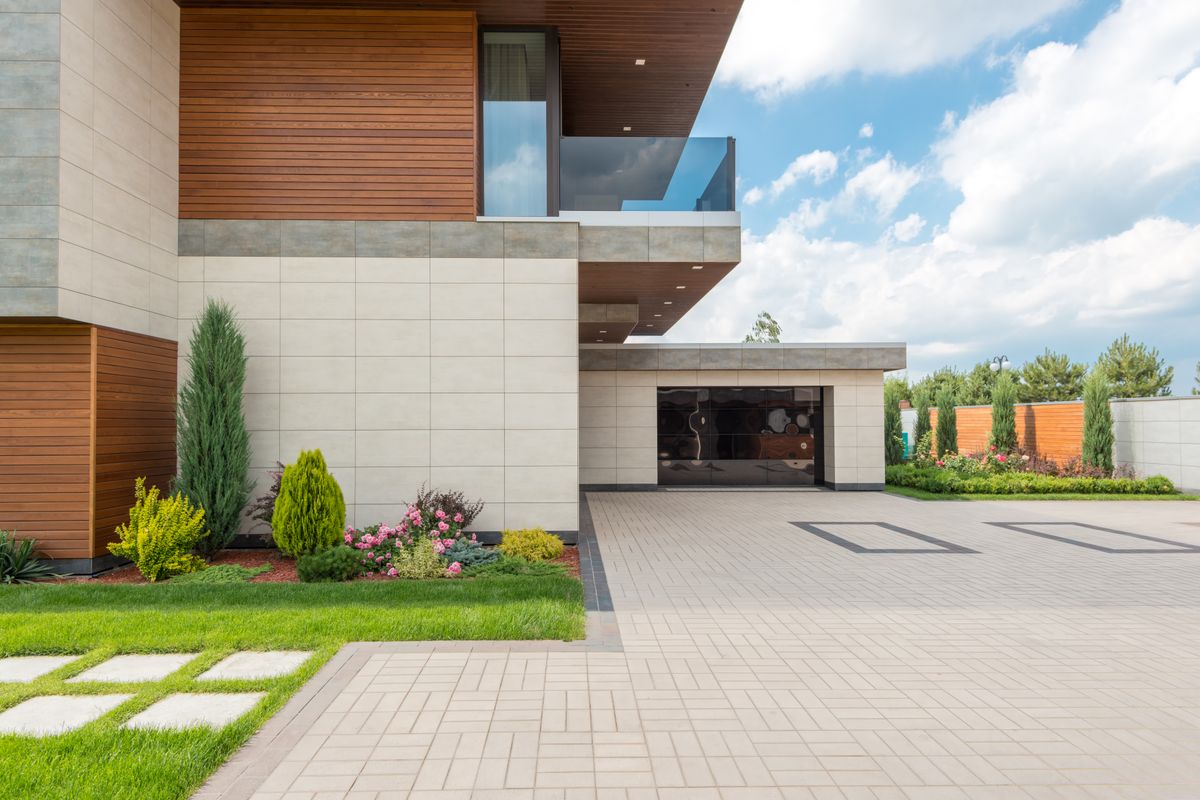
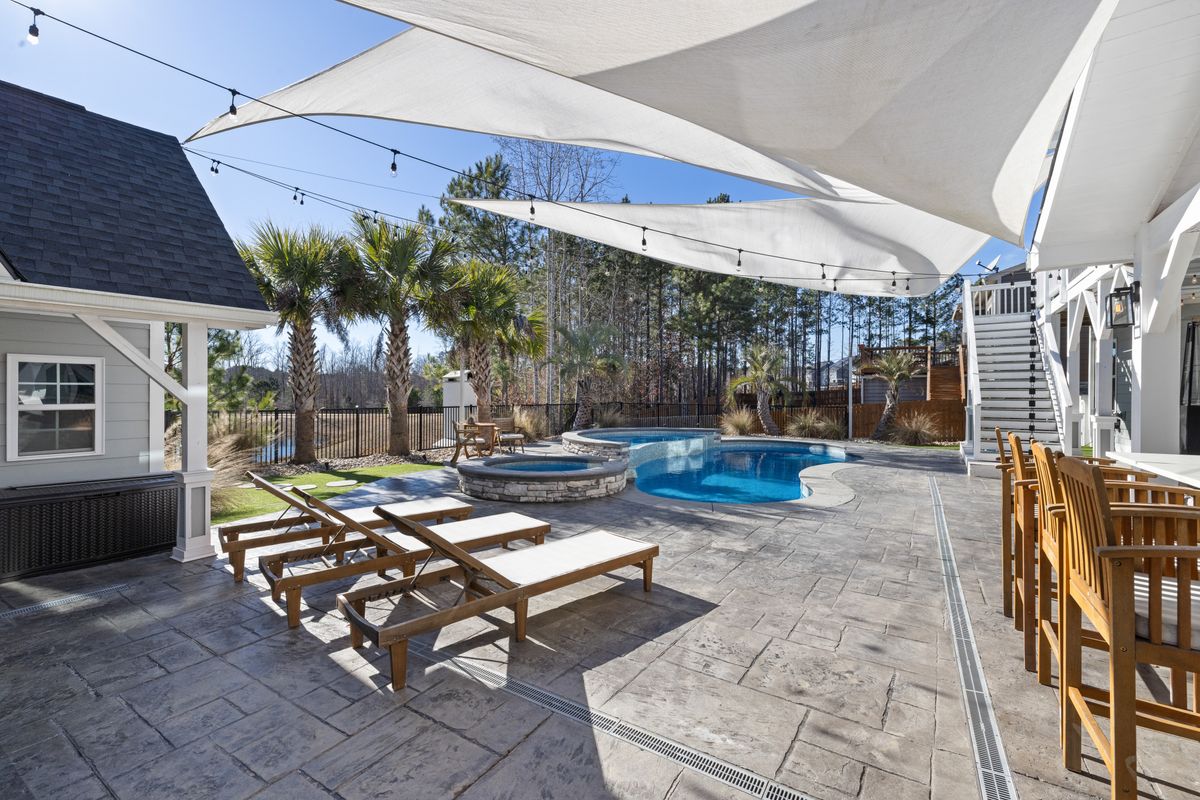
The material underfoot in Naples splits paver work into two very different jobs. Concrete pavers - the ones doing duty on most driveways and the streetscape through the Estates and the master-planned villages - are dense and forgiving, and they take a sealer well; the main concern is traffic and the seams. Travertine, which is everywhere on Naples pool decks and the entries of the older waterfront neighborhoods, is a soft, porous limestone with open holes and veins, and it is valued for staying cool and looking like real stone. It does not want the same product as a concrete paver, and it does not want a glossy film - a penetrating or breathable sealer that soaks into the stone and protects it from within is what keeps travertine from trapping moisture and from going cloudy or blotchy under a film-forming coating. This is the point where a crew that only carries one product for every surface will do visible damage: a solvent-heavy gloss laid on damp travertine can blush white and peel, and stripping it afterward is more work than the original seal. Asking what the sealer is rated for, and whether it is meant for travertine or for concrete pavers, is a fair question before anyone starts.
The joints are where the real job lives
Step back from the paver face and the true battle is in the joints. Southwest Florida rain - the near-daily afternoon storm in the wet season - and the overspray from irrigation steadily wash the sand out of the seams between pavers, and once that sand is gone the units start to shift and rock beneath your feet, and weeds and ants find the open joints almost right away. The most common reason a sealed paver driveway still grows weeds or has ants is that it was sealed when the joints were already low, so the sealer locked in a surface that was already failing. A proper paver-sealing visit does not start with a roller of sealer; it starts by cleaning the joints, re-sanding them so they are full and level, and compacting that sand before anything is applied. On a re-seal of an older surface, this often means clearing the old joint material that has hardened and gone crusty, replacing it, and only then coating. Sealing over full, freshly-compacted joints is what makes the difference between a job that holds for years and one that looks good for a month and then shows weeds and ants again through the seams.
What a full paver-sealing visit actually involves
A complete job is more than applying product, and the order is load-bearing. First the pavers are cleaned thoroughly - the algae, the grey film, the salt residue, and the stains, using pressure matched to the material so the joint sand is not blown out in the process. Then the surface is allowed to dry fully, which in Southwest Florida is a real constraint and not a formality: sealer applied to damp pavers or damp joints traps the moisture underneath, and a coating sealed over trapped moisture clouds, blushes white, and fails within months. On an older surface that has a failing or worn coating, the old sealer has to be stripped before a new one can bond - rolling new sealer over peeling old sealer is how a re-seal turns into a blotchy mess. Only after the clean, the dry, the joint work, and any stripping does the sealer go on, typically in thin, even coats with the right dwell between them, and then the surface is left to cure out of traffic. Every one of those steps is why a same-day clean-and-seal quote should raise an eyebrow - the surface cannot be both freshly washed and fully dry in the same visit, and sealing over a just-rinsed, still-damp paver is precisely the failure mode that costs people a redo.
Timing a seal around the Collier County season
Because a seal needs the pavers dry before it goes down and needs the coating to cure before rain or foot traffic, the timing in Naples is not optional. The dry stretch from roughly late fall through spring is the dependable window - the surface gets full sun to dry after the clean, the sealer has a clear run at curing, and it lines up with when the seasonal population returns and driveways and pool decks are being freshened for the busiest months. Summer work is possible but it becomes a schedule watched against the forecast, because a coating that is rained on or walked on before it has cured is a coating that has failed, and an afternoon storm landing mid-cure ruins the job in a way nothing recovers cheaply. The honest rule is simple: pavers must be dry to seal, the coating needs a dry window to cure, and in the wet season that window has to be carved out deliberately rather than assumed. Many of the deed-restricted neighborhoods and CDDs spread across Collier County hold a standard for how driveways and pool decks present from the street, so when an HOA or compliance notice has set a date, that date shapes when the work is booked - it shifts the schedule, not the price.
What sealing will not fix, and when a re-seal is actually due
Sealing protects, and it is worth being plain that it does not repair. It will not fix pavers that have already settled and now rock underfoot - that is a base problem that needs the bed re-leveled, not more coating. It will not lift a stain that is already deep in a paver, and it will not hide a cracked or spalled unit - those need replacement, and a seal over them just makes the damage glossier. It also does not last forever. On a concrete-paver driveway that sees cars, a quality seal typically holds two to three years before the coating wears at the traffic band and the joints begin to show again; a lightly-used pool deck or entry walk can go longer, and a high-gloss finish usually needs renewal sooner than a matte one because it shows scuffs. The way to tell a re-seal is due is simpler than most people expect: pour a little water on the surface. If it beads up and runs off, the coating is still doing its job. If it soaks in and darkens the paver, the protection is gone and it is time. Naples pavers that are sealed on that cadence - refreshed before the coating fully fails rather than after the weeds and ants have moved back in - hold their color, stay level, and resist the salt and sun that quietly wreck unsealed surfaces a few blocks from the Gulf.